
Why Is a Chimney Sweep So Expensive?
The answer to why a chimney sweep is so expensive is that the work can involve more than brushing: a sweep assesses the fireplace and flue, removes deposits, and checks for problems that affect safe operation. Chimney cleaning starts at $89, while the work and price depend on what your chimney needs.
Need help now? (857) 597-2781
Why Is a Chimney Sweep So Expensive? The Work Behind the Price
A chimney sweep’s price reflects the condition of the chimney and the work required—not just the time spent brushing. A flue with light soot is different from one with hardened creosote, an obstruction, damaged masonry, or a part that needs repair. The sweep needs to identify which situation applies before recommending work.
Cleaning removes soot and creosote from the smoke path. Inspection looks for damage, blockages, or other conditions that could affect how the fireplace vents. They are related, but one does not automatically replace the other. The Chimney Safety Institute of America explains inspection and cleaning guidance in its homeowner resources.
At Boston Chimney Sweep, cleaning starts at $89 and inspection starts at $39. Those are starting prices, not a promise that every chimney needs the same work. Garrett Sullivan has 16 years of experience with chimneys and explains the work clearly, recommending only services a homeowner needs.
Which Chimney Service Fits the Problem You See?
The right service depends on whether you need routine cleaning, an assessment, or correction of a specific defect. These options address different needs; a visible symptom does not by itself identify the cause.
Chimney cleaning
Choose cleaning when the flue needs soot or creosote removed. The exact scope depends on the deposit and chimney condition; a simple brush-out is not the same as repair work.
Chimney inspection
Choose an inspection when you need the condition of the chimney assessed, such as before using a fireplace with an unknown maintenance history or after a change or damaging event.
Repair or component work
A leak, damaged crown, missing cap, or deteriorated masonry may call for a targeted repair or replacement rather than cleaning alone. The sweep should identify the affected part before recommending that work.
What Can Make One Chimney Cleaning More Involved Than Another?
A few practical details help explain why estimates differ. Share what you know about the fireplace and describe the symptom rather than guessing at the repair.
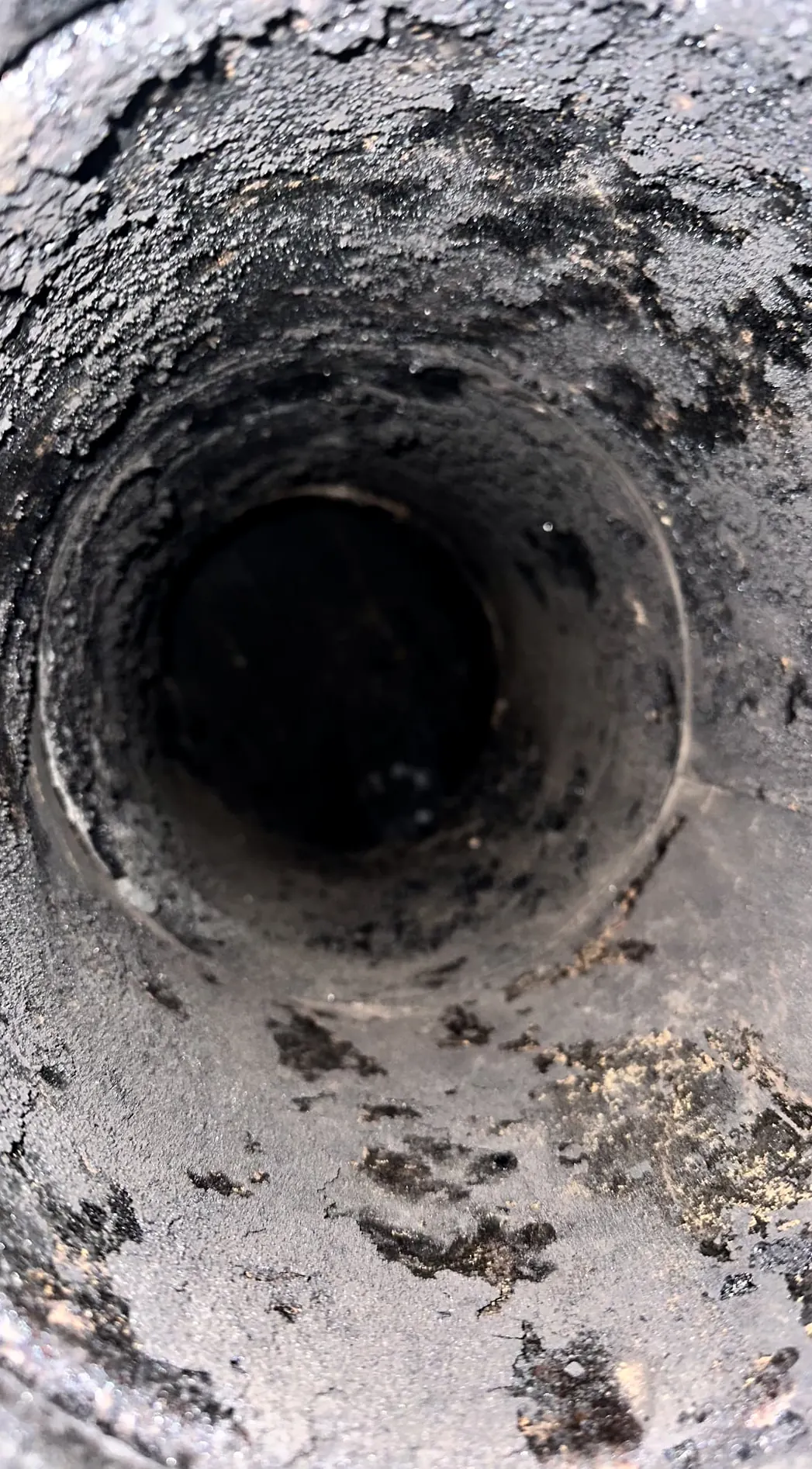
- Deposit thickness — Creosote can build up in layers, and hardened deposits take different work than loose soot. CSIA identifies 1/8 inch of creosote as a threshold for sweeping; a sweep can assess the deposit rather than relying on a homeowner’s guess.
- Access and condition — A flue, chimney top, or fireplace component that is damaged or obstructed may need an inspection or additional work. Report smoke entering the room, visible damage, or anything unusual you have noticed.
- The service being requested — Cleaning, inspection, a cap installation, and liner work are separate services. A cleaning request does not mean that a liner or repair is automatically necessary.
- A change or damaging event — An appliance change, home sale, relining, chimney fire, or severe weather event can call for a more detailed inspection. CSIA’s Level 2 inspection procedure describes when a video scan is required for that inspection level.
Need help now? (857) 597-2781
What Happens During a Chimney Sweep, Step by Step?
A methodical visit starts by understanding the fireplace and ends by checking the condition after the work. These steps show the kinds of details that matter; the exact work depends on the chimney and the service requested.
- Describe the fireplace and concern — Tell the sweep whether it is a wood-burning fireplace, when it was last cleaned if you know, and what prompted the visit. Mention smoke, odor, falling debris, or a recent event so the assessment starts with the right concern.
- Identify the appliance and flue — The sweep needs to understand which fireplace and chimney serve the appliance. Check that the fireplace is accessible and point out any dampers, inserts, or changes you know about.
- Assess the visible fireplace and chimney parts — The firebox, damper, and accessible chimney components can show signs of damage or blockage. Note whether the damper moves and whether you see loose masonry or debris; do not climb onto the roof to inspect it.
- Examine deposits in the smoke path — Soot and creosote in the flue affect the cleaning needed. A homeowner’s view from the fireplace may not show the entire flue, so leave the assessment of deposits and hidden areas to the sweep.
- Select cleaning tools for the flue — A sweep may use a chimney brush and rods suited to the flue, along with containment equipment to manage soot. The tool should fit the chimney rather than scrape or damage its interior.
- Remove soot and creosote — The cleaning focuses on deposits in the chimney’s smoke path. If a hard or unusual deposit remains, ask what it is and whether it calls for a different service instead of assuming ordinary brushing will resolve it.
- Check the result and explain findings — After cleaning, the sweep should check the areas addressed and tell you whether the chimney needs any separate inspection or repair. Ask which part is affected and why the recommendation fits what was found.
Which Fireplace Signs Mean Cleaning Alone May Not Be Enough?
A symptom can point to a problem beyond routine deposits. Stop using the fireplace when you see signs of damage or unsafe operation, and have a chimney sweep assess it before lighting another fire.
- Smoke entering the room — Smoke that spills into the living space can indicate a venting or draft problem. Do not keep burning while smoke is entering the room; arrange an assessment of the fireplace and chimney.
- Water or damp marks near the chimney — Moisture can be associated with a leak or damaged chimney component. Note where the water appears and whether it follows rain, then request an assessment rather than treating the symptom as a cleaning issue.
- Loose masonry or fallen debris — Cracked or loose masonry and debris in the firebox may signal damage that brushing will not fix. Keep clear of unstable material and have the chimney checked.
- A chimney fire or severe weather event — A chimney fire or damaging weather can affect parts that are not visible from the fireplace. Do not assume the chimney is ready to use again; an inspection can determine whether repair is needed.
What Can Go Wrong When You Choose by Price Alone?
The lowest starting figure does not tell you whether a quote covers cleaning, inspection, or repair. Compare the named service and ask what condition it addresses. A recommendation for a cap, liner, or masonry repair should identify the affected component and the finding behind it.
The opposite mistake is paying for extra work without understanding why it is needed. Ask whether the issue is soot, creosote, a blockage, or damage, and whether cleaning alone addresses it. We explain the work clearly and recommend only the services a homeowner needs.
Do not scrape deposits with household tools, reach into the flue, or climb onto the roof to check a cap. Those steps can cause injury or damage and cannot replace an assessment of the chimney’s interior.
Need help now? (857) 597-2781
How Should You Decide What to Book for Your Chimney?
Start with the issue you can describe. If you know the chimney needs routine deposit removal, ask about chimney sweep service. If you are unsure about its condition, ask whether an inspection is appropriate. For a closer look at starting figures and cost factors, read how much a chimney sweep costs in Massachusetts.
Tell us whether the fireplace burns wood or gas, what symptoms you have noticed, and whether there has been a recent change, fire, or weather event. Garrett Sullivan was born and raised in Massachusetts and has 16 years of chimney experience, including knowledge of what New England weather can do to chimneys.
Call any time to book; Boston Chimney Sweep is open 24/7, and same-day service is available. You can also contact us to arrange service. Chimney work comes with a warranty starting from 2 years.
Frequently asked questions
How much does a chimney sweep cost?
Chimney cleaning starts at $89, and a chimney inspection starts at $39. The total depends on the service and the condition of the chimney, so ask what work the quoted price covers.
Why does chimney cleaning cost more than brushing the flue?
The job may involve assessing the smoke path, removing deposits, and checking for conditions that need separate attention. Hardened creosote, an obstruction, or damage can change the scope; cleaning alone does not repair a chimney.
Can a chimney be repaired instead of replaced?
Many chimney problems can be addressed with repair work, but the right choice depends on which part is damaged and how extensive the damage is. A chimney sweep can assess the condition and identify whether a targeted repair or more extensive work is needed.
What happens during a chimney inspection?
The sweep assesses the fireplace and chimney for conditions such as deposits, blockage, or visible damage. A more detailed inspection may be appropriate after an appliance change, relining, sale, chimney fire, or weather event; the inspection level depends on the situation.
Get a Clear Answer About Your Chimney
Describe the fireplace, what you have noticed, and any recent changes when you book a chimney sweep or inspection.