
What Does a Chimney Sweep Include?
A chimney sweep checks the accessible chimney and fireplace components, then removes soot and creosote buildup from the flue when cleaning is needed. The exact work depends on your chimney’s condition and access; we explain what we find and recommend only services your home needs.
Need help now? (857) 597-2781
What Does a Chimney Sweep Include?
A chimney sweep is more than brushing visible soot from the fireplace opening. The work focuses on the smoke path from the firebox through the flue, where deposits can build up and interfere with safe venting.
Cleaning and inspection are related but not identical. A sweep can include a visual check of accessible components, while a more detailed inspection may be appropriate when the chimney has changed or a concern needs closer evaluation.
- A look at the fireplace and chimney access — The sweep checks the firebox, damper area, and accessible parts of the chimney to understand the setup and condition before cleaning.
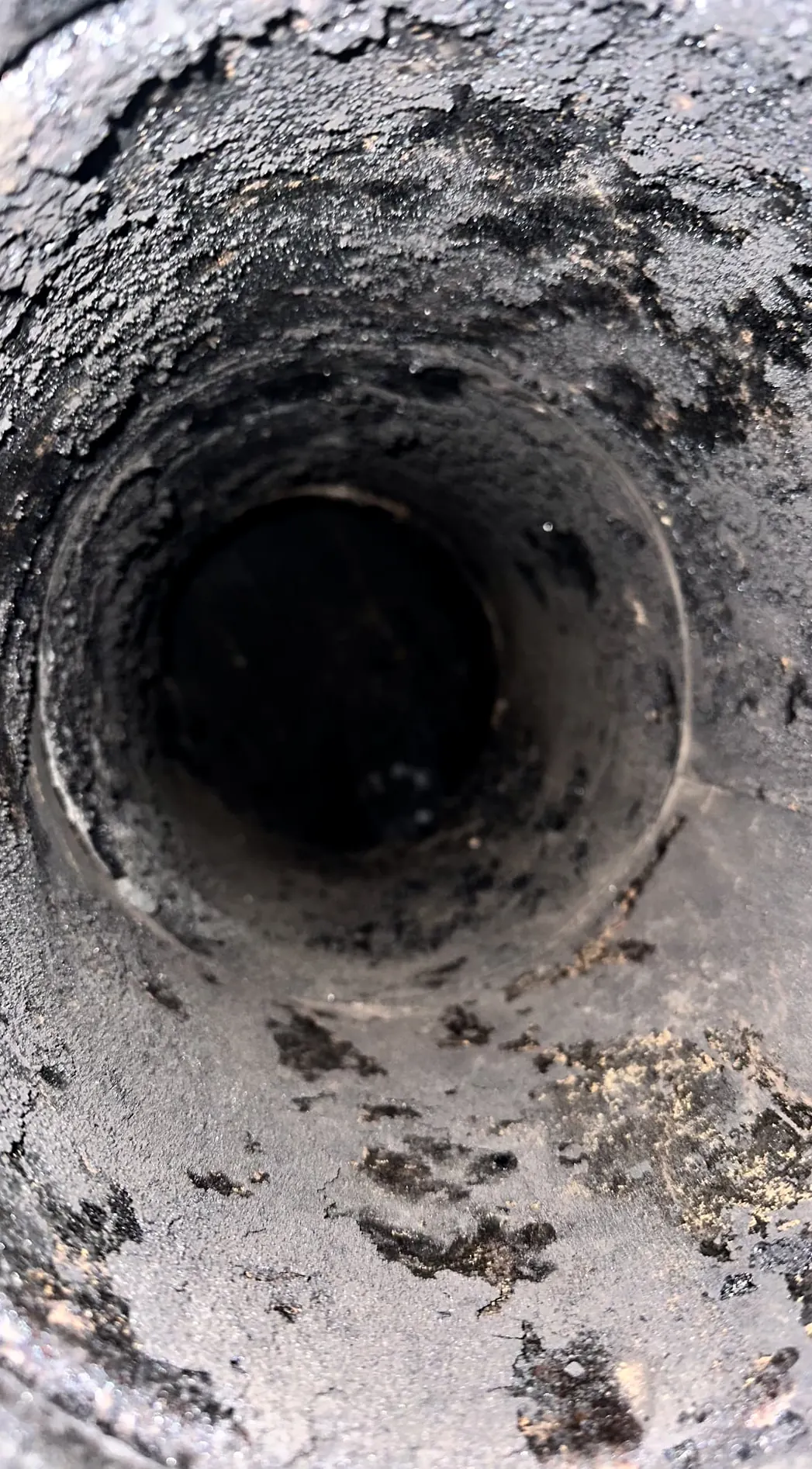
- Removal of soot and creosote — A suitable brush and rods can loosen deposits inside the flue, while collection equipment helps control debris during cleaning. The method needs to fit the flue’s shape and lining.
- A check for visible concerns — The sweep looks for signs such as heavy deposits, damaged masonry, or a chimney cap problem. A concern that needs more than cleaning may call for repair or a more detailed inspection.
- A clear explanation of findings — You should know what was cleaned, what condition was visible, and whether any next step is recommended. Cleaning does not itself repair a damaged liner, crown, or other component.
How a Chimney Cleaning Moves From Setup to Final Check
The sequence may vary with the appliance and chimney, but these are the main stages homeowners should expect from a careful cleaning. Ask what parts were reached and what the sweep saw before treating cleaning as a repair.
- Identify the fireplace and flue — The sweep checks how the fireplace is configured and where the flue can be accessed. This helps match the cleaning method to the passage rather than relying on a one-size-fits-all brush.
- Check the firebox and damper — The firebox and damper area are looked over for debris or visible damage. The damper should move as intended; a stuck or damaged damper may need service beyond routine cleaning.
- Choose an appropriate brush and rods — Brush material and size should suit the flue and liner. The sweep should check that the tools reach the surfaces that need cleaning without treating a damaged liner as if it were sound.
- Contain and remove loosened debris — Cleaning equipment and collection methods are used to manage soot and creosote as they come loose. After this stage, the fireplace and surrounding work area should be checked for escaped debris.
- Clean the smoke path — The brush is worked through the accessible flue to loosen deposits. The sweep checks for remaining buildup and whether the passage appears clear enough to assess.
- Look for signs that need a closer inspection — The sweep looks for visible cracks, obstructions, or unusual deposits. A camera inspection may be needed to evaluate concealed portions that cannot be judged from a basic visual check.
- Review what was found — Before the job is considered complete, ask what was removed and whether any damage or obstruction was noticed. A cleaning visit should leave you with a clear distinction between routine buildup and a repair concern.
Should You Book Chimney Cleaning or a Chimney Inspection?
Choose based on the question you need answered. Cleaning removes deposits; inspection evaluates condition. Some visits involve both, but a sweep should not be treated as proof that every concealed part is sound.
Chimney cleaning
This fits when soot or creosote needs to be removed from the flue. If the sweep finds damage or a blockage, cleaning alone will not correct it.
Chimney inspection
Choose an inspection when you need the chimney’s condition assessed, including after a change to the appliance or a suspected problem. The inspection level depends on the situation and what must be examined.
Video inspection
A camera can show interior areas that are not visible during a basic visual check. CSIA guidance describes a Level 2 inspection with a video scan for certain changes and events; review the Level 2 inspection procedure if you need to understand that scope.
Need help now? (857) 597-2781
When Buildup or a Fireplace Problem Calls for a Sweep
Do not wait for a thick layer of soot to decide whether the chimney needs attention. Creosote can build up as wood burns, and CSIA’s homeowner guidance discusses the 1/8-inch threshold for sweeping; it also points homeowners to the NFPA 211 recommendation for annual inspection. Read CSIA’s chimney care resources for those guidelines.
- Visible creosote or heavy soot — Dark, crusty, or shiny deposits inside the firebox or flue are a reason to stop using the fireplace until the chimney is assessed. Glazed deposits can be harder to remove than loose soot.
- Smoke entering the room — Smoke spilling into the room can point to a draft, blockage, or other venting problem. Stop using the fireplace and arrange an assessment rather than trying to solve it by burning a larger fire.
- A change in fireplace or chimney setup — A new appliance, relining, or a significant event affecting the chimney may call for more than routine cleaning. Tell the sweep what changed so the right inspection scope can be considered.
- A suspected chimney fire or damage — Do not relight a fireplace after a suspected chimney fire or visible chimney damage. Have the chimney inspected before use because heat can damage components that are not obvious from the hearth.
What a Chimney Sweep Cannot Fix by Cleaning Alone
A brush can remove deposits, but it cannot restore a cracked flue liner, repair loose masonry, seal a leaking chimney, or replace a missing cap. Those conditions call for the relevant repair or installation after the problem has been identified.
Do not scrape or chip at hard creosote yourself, and do not use a fireplace when smoke is backing into the room or you suspect damage. Stop burning, keep people away from the fireplace, and arrange a professional assessment. A chimney sweep service can clean the flue and identify when a separate inspection or repair is needed.
What to Check Before Using the Fireplace Again
Ask whether the flue was cleaned, what was visible during the visit, and whether the sweep found deposits or damage that needs follow-up. Make sure you understand whether a recommendation is for more cleaning, an inspection, or a repair; these are different kinds of work.
Keep a note of the visit and any advice about the next inspection. For general guidance on inspection frequency and cleaning, see how often a chimney sweep should come. If the fireplace still smokes, the damper does not work, or you notice fresh debris, leave it unused until the cause is checked.
Need help now? (857) 597-2781
Booking a Chimney Sweep in Boston
Boston Chimney Sweep serves Boston and towns within 30 miles, and we travel to the customer. Garrett Sullivan, the owner, has 16 years of experience with chimneys and was born and raised in Massachusetts, so he knows what New England weather does to chimneys.
Tell us whether you have a wood-burning fireplace, what concern you have noticed, and whether the chimney or appliance has changed. That information helps us understand whether you need cleaning, an inspection, or another service. Same-day service is available, and we are open 24/7 for booking.
We explain the work clearly and recommend only services a homeowner needs. To arrange a visit, contact us with your address and a description of the fireplace or chimney concern.
Frequently asked questions
Does a chimney sweep include a full chimney inspection?
A sweep can include a visual check of accessible parts, but cleaning and a detailed inspection are different scopes of work. Tell the sweep if you need the chimney evaluated after a change, damage, or a venting problem so the appropriate inspection can be considered.
What should I do if smoke comes into my Boston home?
Stop using the fireplace and do not try to clear the problem by building a larger fire. Smoke entering the room can signal a draft issue or obstruction, so arrange an assessment before using the fireplace again.
Can a chimney sweep remove hard, glazed creosote?
Creosote removal depends on the deposit and chimney condition; hard, glazed buildup can require more than routine brushing. Do not chip at it yourself, and ask for an assessment of the flue and the cleaning method needed.
How do I book a chimney sweep in Boston?
Contact Boston Chimney Sweep and describe your fireplace, the type of fuel it uses, and any smoke or buildup you have noticed. We serve Boston and towns within 30 miles, and same-day service is available.
Schedule a Chimney Sweep
Tell us what you are noticing at your fireplace, and we’ll arrange a visit to assess the chimney and explain the work.