
Is a Chimney Sweep Really Necessary?
Yes, a chimney sweep really is necessary when creosote or soot builds up in the flue; a working chimney also needs an annual inspection. We clean chimney deposits and identify issues that could affect fireplace use.
Need help now? (857) 597-2781
When Is a Chimney Sweep Really Necessary?
A chimney sweep is necessary when soot, creosote, or another obstruction needs to be removed from the flue. A fireplace that burns wood can leave deposits behind, and those deposits can restrict airflow or catch fire. Sweeping removes buildup; it does not replace checking the chimney for damage.
Plan on an inspection at least once a year, even if you rarely use the fireplace. The Chimney Safety Institute of America’s homeowner resources summarize the NFPA 211 recommendation for annual chimney inspections and cleaning as needed. That distinction matters: an inspection determines whether sweeping or repair is called for.
Which Signs Suggest Your Flue Needs Attention?
Check for changes in how the fireplace looks or works. These signs do not identify the exact cause, but they can tell you it is time to stop guessing and have the chimney checked.
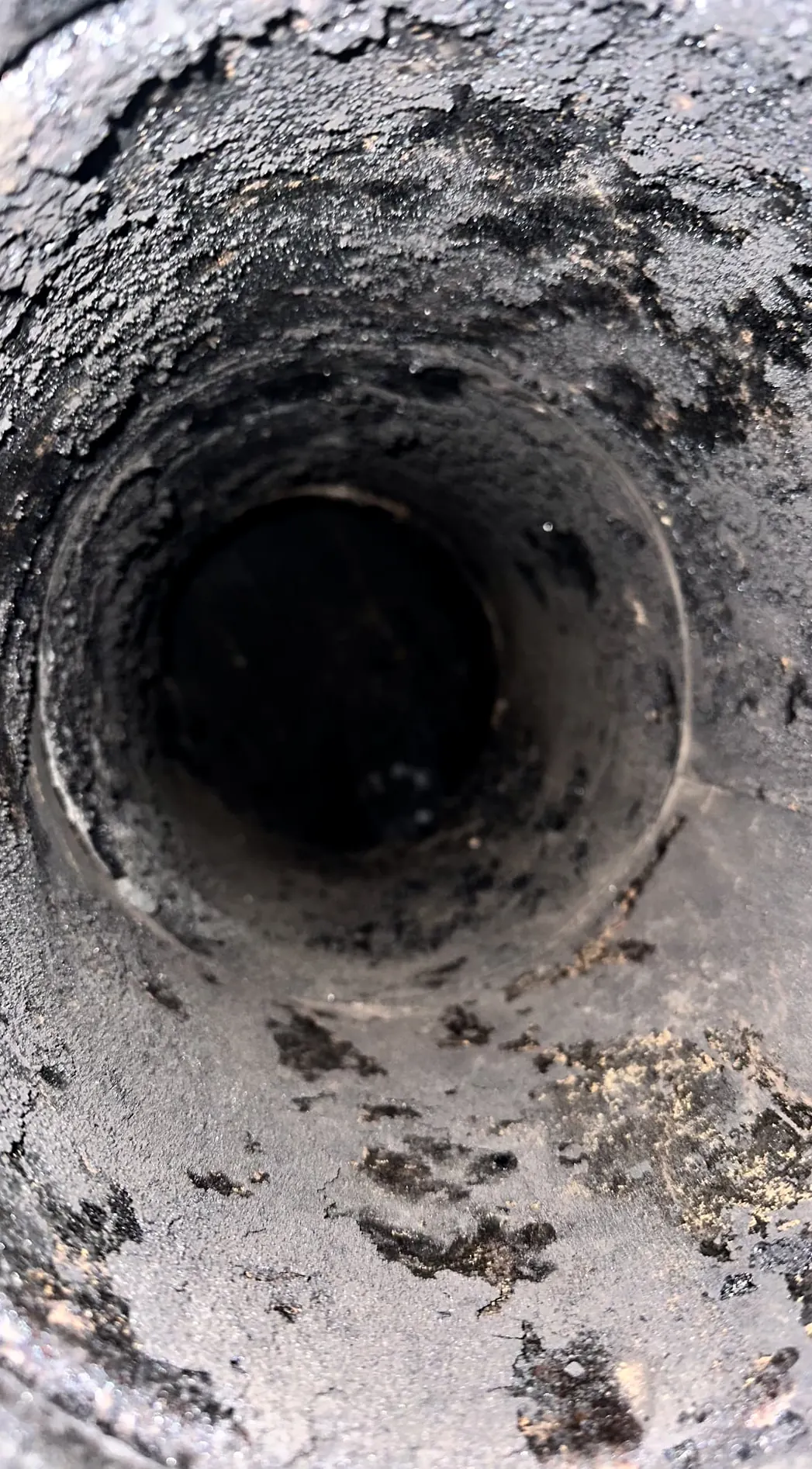
- Dark, flaky deposits — Look for soot or crusty, shiny buildup visible from the firebox. The CSIA describes creosote buildup of 1/8 inch or more as a reason to have the chimney swept.
- Smoke entering the room — Smoke that spills into the living space can point to a draft problem, a blockage, or another fireplace issue. Do not assume another fire will clear it; have the flue and damper checked.
- Debris or animal activity — Twigs, leaves, or sounds from the chimney may signal an obstruction. Keep the fireplace unused until the flue has been checked and the obstruction addressed.
- A missed inspection — If you do not know when the chimney was last inspected, arrange an inspection before relying on it for regular fires. A sweep can then be recommended based on what the inspection finds.
Which Chimney Service Fits the Problem?
Sweeping, inspection, and repair solve different problems. A chimney may need one service or more than one, depending on deposits, visible condition, and how the fireplace performs.
Chimney sweep
Choose sweeping when soot or creosote needs removal. It addresses deposits in the flue, but it does not fix a cracked liner, damaged masonry, or a faulty damper.
Chimney inspection
Choose an inspection when you need to understand the chimney’s condition, including when you have smoke problems or cannot tell whether buildup is present. It helps identify whether cleaning or a repair is appropriate.
Chimney repair
Choose repair when an inspection finds a defect such as damaged masonry or a liner problem. Cleaning alone will not correct damage that affects the chimney’s structure or operation.
Need help now? (857) 597-2781
What Happens During a Professional Chimney Sweep?
A thorough sweep follows a sequence: understand the fireplace, check its accessible parts, remove deposits, and review the result. The exact work depends on the chimney and what the inspection reveals.
- Describe the fireplace and the concern — Tell the sweep whether the fireplace burns wood or uses another appliance, when it was last cleaned if you know, and what has changed. Smoke, odors, or debris help focus the initial check.
- Check the firebox and damper — The firebox and damper are accessible starting points for spotting soot, debris, or an obstruction. The damper should open and close as intended; a stuck or damaged damper may need separate attention.
- Look into the flue — A light can reveal visible deposits or obvious problems in the accessible flue. A limited view cannot show every part of the chimney, so the sweep may recommend a closer inspection when needed.
- Select a brush that fits the flue — A chimney brush must suit the shape and size of the flue. The sweep uses it to loosen soot and creosote, checking that the tool can reach the areas requiring cleaning.
- Remove loosened deposits — The sweep clears loosened material from the chimney rather than leaving it to fall into the firebox. Afterward, the firebox should be checked for remaining debris.
- Recheck the chimney’s condition — Once deposits are removed, a closer look can help distinguish buildup from damage. If the findings point to a separate defect, cleaning should not be presented as a repair.
- Review what was found — Ask what was cleaned, whether any blockage or damage was seen, and what work is actually recommended. We explain the work clearly and recommend only services a homeowner needs.
What Can Go Wrong When Chimney Deposits Remain?
Creosote forms as wood smoke cools inside the chimney and leaves deposits on the flue walls. As deposits build up, they can restrict the passage for smoke and create a fuel source for a chimney fire. A fire that burns normally one day does not prove the flue is clean or undamaged.
A chimney fire can damage masonry or a factory-built chimney, including damage that is not obvious from the hearth. After any suspected chimney fire, do not use the fireplace again until the chimney has been inspected. Smoke entering the room, a blocked flue, or visible damage also calls for a professional check rather than repeated test fires.
What Should You Check Before Booking a Sweep?
A few details help the sweep understand the concern and assess what kind of visit may be needed. Keep the fireplace unused if you see an obstruction, have smoke spilling indoors, or suspect damage.
- Note the appliance and fuel — Write down whether you use a wood-burning fireplace, stove, or another appliance. The setup affects what parts of the venting system need attention.
- Describe what changed — Share whether smoke has entered the room, the damper sticks, or debris has appeared in the firebox. Specific symptoms are more useful than simply saying the fireplace feels different.
- Gather the last service details — If you have an inspection report or know the last cleaning date, have that information ready. It can help distinguish a routine cleaning question from a new problem that needs inspection.
Need help now? (857) 597-2781
How Do You Choose the Right Next Step?
For visible soot or creosote, book a chimney sweep service and ask for the chimney’s condition to be checked as part of deciding what work is needed. For smoke, unknown chimney condition, or suspected damage, begin with an inspection rather than assuming cleaning will solve the problem.
Visit length depends on the chimney’s condition and the work needed; a blockage or repair concern can change the scope from a routine cleaning. To book, call any time. Same-day service is available, and the starting price for chimney cleaning is $89. For a closer look at pricing, read how much a chimney sweep costs in Massachusetts.
How Can You Book a Chimney Sweep?
Call contact us to book. Tell us what kind of fireplace or appliance you have, when it was last inspected if you know, and what signs you noticed; those details help us understand whether you need sweeping, an inspection, or another service.
We serve Boston and towns within 30 miles. If the fireplace is smoking into the room, the flue appears blocked, or you suspect chimney damage, explain that when you book and keep the appliance unused until it has been checked.
Frequently asked questions
Does every chimney need to be swept every year?
Every working chimney should be inspected annually, but it does not automatically need sweeping every year. The inspection checks for deposits and other conditions that determine whether cleaning is needed.
Can an inspection tell me whether my chimney needs sweeping?
Yes. An inspection checks the accessible chimney areas for deposits, obstructions, and visible damage, which helps determine whether sweeping is appropriate. A cleaning removes buildup; it does not replace an inspection of the chimney’s condition.
What should I do if smoke comes into the room?
Stop using the fireplace and have the chimney checked. Smoke entering the room can point to a draft issue or an obstruction, and repeated fires will not identify the cause.
What information should I give when booking a chimney sweep?
Share the appliance and fuel type, the last inspection or cleaning date if known, and any symptoms such as smoke, a stuck damper, or debris. Those details help identify whether you should book sweeping, an inspection, or another chimney service.
Book a Chimney Sweep
Call Boston Chimney Sweep at (857) 597-2781 to book. We’re open 24/7.