
What Time of Year Should I Sweep a Chimney?
The answer to what time of year should I sweep a chimney is before you begin regular fires for the season. That gives you time to address buildup or damage before relying on your fireplace; Garrett Sullivan recommends only work your home needs.
Need help now? (857) 597-2781
What Time of Year Should I Sweep a Chimney?
The best time is before you start using your fireplace or stove regularly for the season. Late spring or summer can be practical because you can plan the work before you depend on the appliance for heat, but you do not need to wait for a particular month.
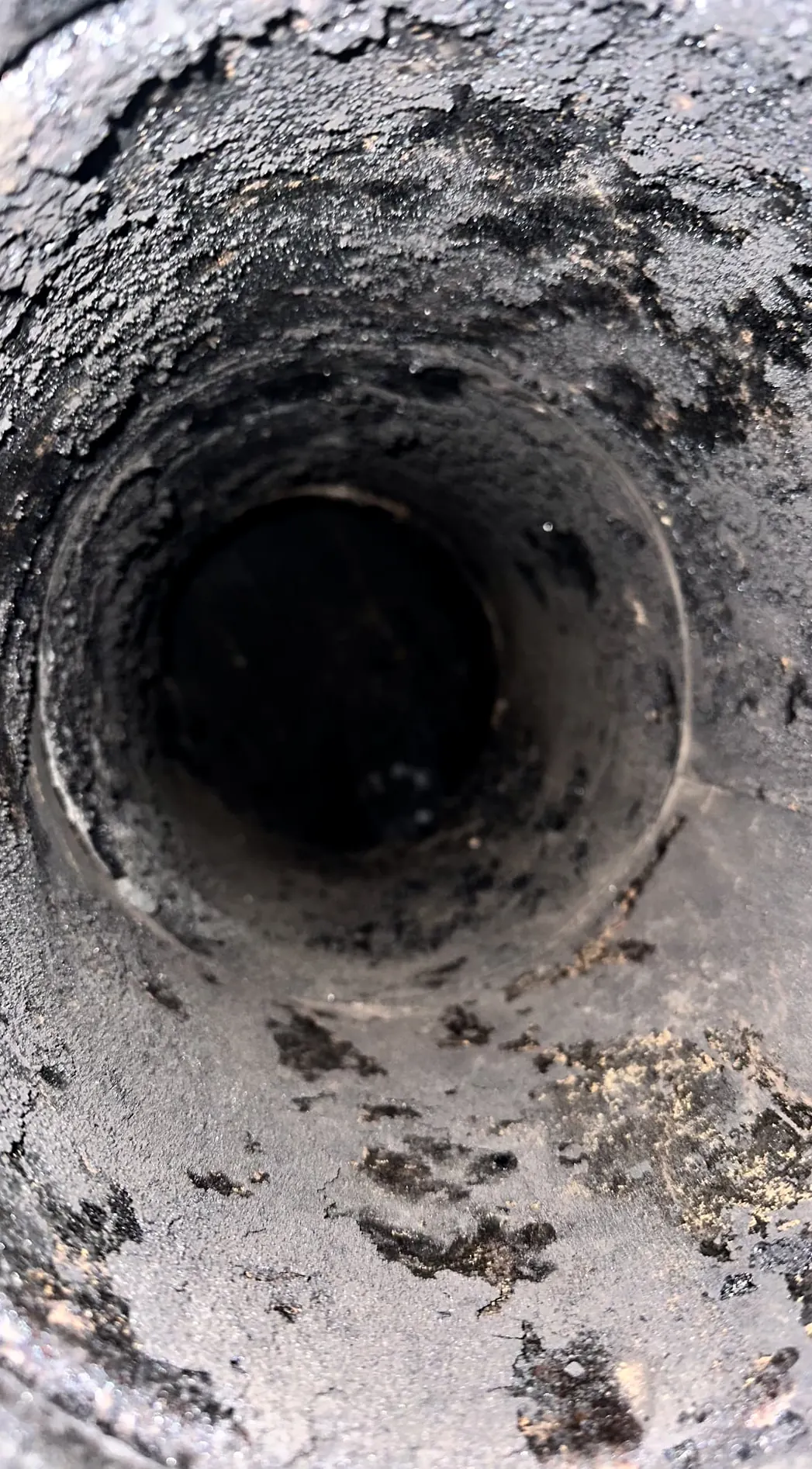
The condition of the chimney matters more than the calendar. If you see heavy soot or shiny, tar-like creosote, smell smoke when the fireplace is cold, or notice smoke coming into the room during a fire, arrange service rather than waiting for your usual seasonal appointment.
How the Annual Inspection Rule Affects Sweep Timing
An annual inspection and an annual sweep are not the same decision. The Chimney Safety Institute of America explains that NFPA 211 calls for chimneys, fireplaces, and vents to be inspected at least once a year; cleaning depends on what the inspection finds and how much creosote or blockage is present. See the CSIA homeowner guidance on chimney inspections and sweeping.
CSIA describes 1/8 inch of creosote buildup as a threshold for sweeping. Because you cannot reliably judge the full flue condition from the hearth, use visible soot or odor as a reason to arrange an assessment, not as proof that the chimney is clear.
Which Sweep Timing Fits Your Fireplace Use?
Before regular wood fires
Choose this timing if you use a wood-burning fireplace or stove each heating season. A pre-use check lets you address creosote or a blockage before smoke and heat are traveling through the flue again.
Before occasional fires
Infrequent use does not tell you whether the chimney is clean or safe to use. Arrange an inspection on the annual schedule, and let the condition of the flue determine whether sweeping is needed.
After a change to the appliance
Replacing or changing a fireplace or heating appliance can change how the chimney is used. CSIA’s Level 2 inspection guidance recommends a Level 2 inspection when an appliance is changed; it includes a video scan of the chimney interior.
After a chimney or weather event
A suspected chimney fire, severe weather event, or other event that may have affected the flue calls for an assessment before you resume use. A sweep can help identify whether the next step is cleaning, inspection, or repair.
Need help now? (857) 597-2781
Seven Steps to Set a Sweep Date Before Firing Season
- Note which appliance you use — Write down whether the chimney serves a wood fireplace, wood stove, pellet stove, or gas fireplace. Different appliances use different venting arrangements, so this helps describe the system when you book.
- Check your records — Look for the last inspection or cleaning date and any notes about repairs. If you cannot find records, share that when arranging service rather than assuming the chimney was recently checked.
- Look into the firebox while it is cold — Use a flashlight to look for loose soot, fallen masonry, or debris at the fireplace opening. Do not reach into the flue or climb onto the roof to inspect it.
- Notice smoke and odors — Pay attention to smoke that spills into the room during use and to a strong smoky odor when the fireplace is cold. These signs make an earlier assessment more important than waiting for a seasonal date.
- Check the exterior from the ground — From a safe spot, look for an obviously displaced chimney cap or visible damage to the chimney top. A ground-level view cannot confirm the inside condition, but it gives you useful details to report.
- Describe the work you need — When you book, say whether you need a chimney sweep, an inspection, or help with a particular concern. Visit the chimney sweep service page to see the related service, or read about chimney sweep costs in Massachusetts as you plan.
- Keep the fireplace unused if there are warning signs — Do not light another fire if smoke is spilling into the room or you suspect damage inside the flue. Arrange a professional assessment first so the next step is based on the chimney’s condition.
Signs That Mean You Should Sweep Before the Season
Do not wait for your usual pre-season timing when you notice signs of a blockage, creosote, or damage. Share what you observed when you book so the sweep can understand why you need service.
- Shiny black deposits — Glazed or tar-like creosote is different from a light dusting of soot. It can be difficult to remove, so arrange an assessment rather than trying to scrape it out yourself.
- Smoke entering the room — Smoke spilling into the living space points to a venting problem that needs attention before further use. Stop using the fireplace and arrange service.
- Fallen debris or masonry — Pieces inside the firebox can indicate that part of the chimney or fireplace has deteriorated. Report what you see and avoid using the appliance until it has been assessed.
- A past chimney fire or suspected flue damage — Do not treat a sweep alone as confirmation that the chimney is ready to use. CSIA’s Level 2 inspection procedure describes when a Level 2 inspection is recommended and requires a video scan.
- A strong smoke odor when cold — A persistent odor can be a reason to have the chimney checked, especially when it comes with visible deposits or smoke problems. Describe when the smell occurs instead of trying to diagnose the cause yourself.
What to Expect When You Book Around the Season
Tell us what appliance the chimney serves, when it was last checked if you know, and what signs you have noticed. We explain the recommended work clearly and recommend only services your home needs. The visit length depends on access and the condition of the chimney, so describe any known concerns when booking.
A sweep, inspection, and repair are distinct services; do not assume one automatically includes the others. If the concern is an obstruction, smoke problem, damaged masonry, or suspected fire damage, name it when you arrange the visit so the work can be directed to the issue.
Need help now? (857) 597-2781
How to Book a Chimney Sweep in Boston
Boston Chimney Sweep serves Boston and towns within 30 miles. Garrett Sullivan was born and raised in Massachusetts and has 16 years of experience with chimneys, giving him firsthand familiarity with what New England weather can do to them.
Call (857) 597-2781 any time to book; we are open 24/7, and same-day service is available. You can also contact us to arrange a visit before your next regular fire.
Frequently asked questions
Is late summer too early to schedule a chimney sweep?
No. Scheduling before you start regular fires gives you time to address buildup or damage before using the fireplace. You do not need to wait until colder weather to arrange an inspection or sweep.
Should I wait until spring if I notice soot or smoke now?
No. Smoke entering the room, shiny creosote, or debris in the firebox calls for attention when you notice it, not at the end of the season. Stop using the fireplace if smoke spills into the room and arrange an assessment.
Does a gas fireplace need the same seasonal timing?
A gas appliance still has a venting system that needs attention. Arrange an annual inspection and have the chimney checked sooner if you notice an odor, venting issue, or other change; CSIA’s homeowner guidance covers gas chimneys as well.
Do I need another inspection after changing my fireplace or appliance?
An appliance change is a reason to arrange a Level 2 inspection, according to CSIA’s inspection guidance. That inspection includes a video scan of the chimney interior, which checks conditions a view from the firebox may not reveal.
Get Your Chimney Ready Before the Next Fire
Call (857) 597-2781 any time to book a chimney sweep or inspection.